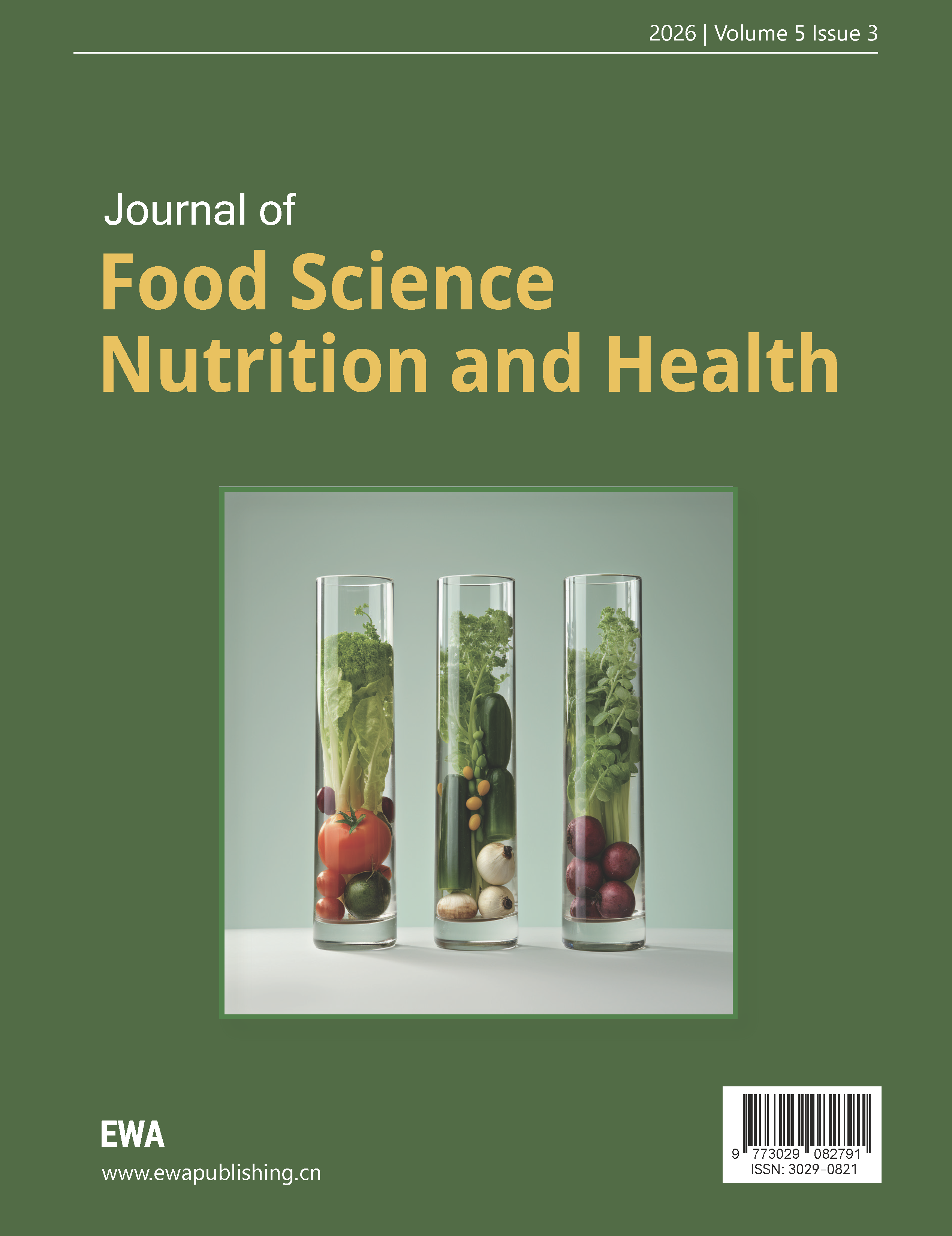


About JFSNHJournal of Food Science, Nutrition and Health (JFSNH) is an open-access, peer-reviewed irregular journal hosted by Hubei Jingchu Specialty Food Industry Technology Research Institute and published by EWA Publishing. JFSNH constructs an interdisciplinary standardized platform covering food science, nutrition, health, chemical and bioengineering, aggregating research strengths of global scholars and food industry practitioners. Based on solid scientific value, reliable technical value and industrial application value, it further emphasizes livelihood guarantee, ecological safety and industrial upgrading empowerment value of food research, and supplies standardized production optimization solutions and supervision research basis for food enterprise R&D staff, food safety supervisors and nutrition researchers to realize the industrial and livelihood value of food research.For more details of the JFSNH scope, please refer to the Aim & Scope page. For more information about the journal, please refer to the FAQ page or contact info@ewapublishing.org. |
| Aims & scope of JFSNH are: ·Food Science & Engineering ·Nutrition ·Biological & Chemical Engineering ·Animal & Veterinary Science |
Article processing charge
A one-time Article Processing Charge (APC) of 450 USD (US Dollars) applies to papers accepted after peer review. excluding taxes.
Open access policy
This is an open access journal which means that all content is freely available without charge to the user or his/her institution. (CC BY 4.0 license).
Your rights
These licenses afford authors copyright while enabling the public to reuse and adapt the content.
Peer-review process
Our blind and multi-reviewer process ensures that all articles are rigorously evaluated based on their intellectual merit and contribution to the field.
Editors View full editorial board

Wuhan, China
chenshuai@whu.edu.cn

Wuhan, China
houwenfu@whpu.edu.cn

Adana, Turkey
mm.istanbullu@gmail.com

Wuhan, China
yahonghan@whpu.edu.cn
Latest articles View all articles

 View pdf


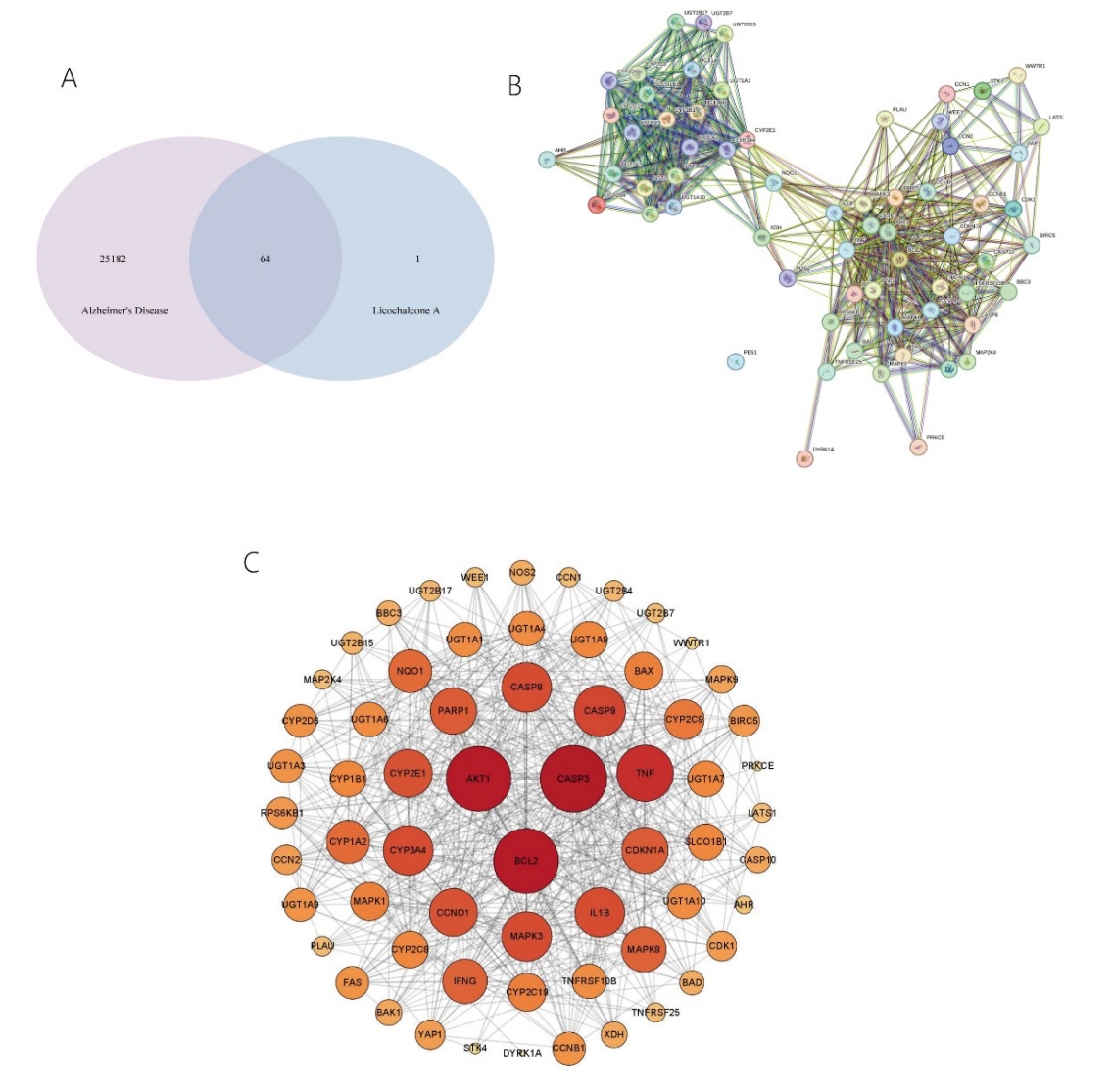
Objective: To systematically analyze the potential therapeutic mechanism of licochalcone A against Alzheimer's disease by network pharmacology. Methods: The Comparative Toxicogenomics Database (CTD) and GeneCards database were screened, and Gene Ontology (GO) enrichment analysis and Kyoto Encyclopedia of Genes and Genomes (KEGG) pathway analysis were performed on the overlapping genes of Alzheimer's disease and licochalcone A, followed by Protein-Protein Interaction (PPI) analysis and visualization. Results: A total of 64 potential overlapping targets between licochalcone A and Alzheimer's disease were identified, among which CASP3, AKT1 and BCL2 were core targets with high degree values. The annotated genes were enriched in signal transduction, metabolism and immune system. Conclusion: Licochalcone A may exert anti-Alzheimer's disease effects by targeting and regulating inflammatory response, participating in biological processes such as signal transduction and energy metabolism, which provides a theoretical basis for the development of multi-target drugs for Alzheimer's disease.
View pdf
The growing prevalence of metabolic disorders, including obesity, type-2 diabetes, and hypertension among adolescents, poses a significant global health challenge. While pharmacological treatments exist, their limitations necessitate safer, dietary-based strategies. The wheat aleurone layer, a component of the wheat kernel situated between the endosperm and bran, is densely packed with bioactive compounds such as arabinoxylan, β-glucans, minerals, and phenolic acids. This review synthesizes current evidence on its nutritional composition and physiological mechanisms relevant to metabolic health. Studies indicate that aleurone-derived arabinoxylan effectively modulates gut microbiota, enhances short-chain fatty acid production, and mitigates postprandial glycemic spikes without causing severe gastrointestinal distress common with other fibers. Furthermore, its high antioxidant capacity and mineral profile contribute to improved lipid metabolism and insulin sensitivity, as demonstrated in animal models and adult human trials. Although clinical data specific to adolescent populations remain scarce, the physicochemical properties of aleurone layer suggest it is a promising functional ingredient. Future research should focus on developing palatable, low-glycemic index food products tailored for younger demographics to address the early onset of metabolic diseases.
View pdf
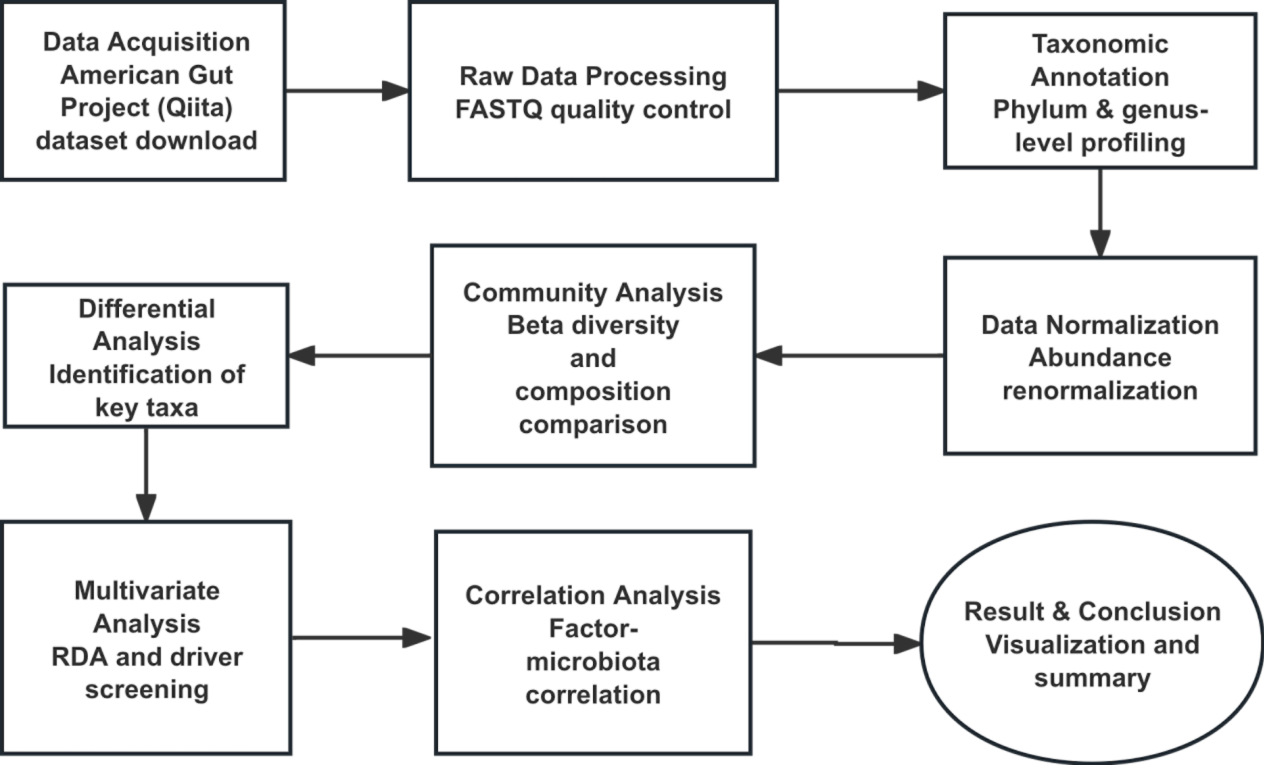
Modifiable lifestyle factors influence the structure of the gut microbiome; however, most studies have isolated individual exposures and focused on continuous diversity indices rather than categorical community phenotypes. As a result, the relative weights of various coexisting lifestyle habits in determining the composition of the dominant intestinal bacterial genus are still unknown. Genus-level relative abundance data and self-reported lifestyle metadata for 336 adults from the American Gut Project were analysed. Remove unclassified taxa and re-normalise abundances, then assign a dominant genus to each sample based on its most abundant taxon. Associations with the frequency of alcohol consumption, exercise frequency, sleep duration, dietary pattern, antibiotic use history, body mass index and demographic factors were analysed using univariate tests with False Discovery Rate (FDR) correction, multinomial logistic regression, PERMANOVA, redundancy analysis and differential abundance tests. Dataset-of-origin was explicitly modelled to rule out technical batch effects. After controlling for batch effects in a multivariate model, alcohol consumption frequency (importance = 0.0230), exercise frequency (importance = 0.0209) and sleep duration (importance = 0.0168) were the top two modifiable predictors of dominant genus classification. Only the frequency of alcohol consumption was significantly associated with the global community structure (PERMANOVA, F = 2.03, p = 0.01, FDR = 0.04), and Bacteroides showed a graded increase in relative abundance from 10% for never-drinkers to 39% for daily drinkers. Exercise frequency was positively correlated with increased Rothia abundance (FDR = 0.039). The dataset identifier was a relatively strong overall predictor of the dominant genus assignment (importance = 0.0462) and exceeded the combined contribution of all lifestyle variables. Alcohol consumption, exercise and sleep duration are all independently associated with the composition of dominant intestinal bacteria in adults after controlling for technical batch effects. The above results present new high-priority targets for microbiome modification and also indicate that explicit batch correction must be performed during aggregated microbiome analysis.
View pdf
Volumes View all volumes
2026
Volume 5October 2026
Find articlesVolume 5August 2026
Find articlesVolume 5April 2026
Find articles2025
Volume 4September 2025
Find articlesVolume 4November 2025
Find articlesVolume 3February 2025
Find articlesAnnouncements View all announcements
Journal of Food Science, Nutrition and Health
We pledge to our journal community:
We're committed: we put diversity and inclusion at the heart of our activities...
Journal of Food Science, Nutrition and Health
The statements, opinions and data contained in the journal Journal of Food Science, Nutrition and Health (JFSNH) are solely those of the individual authors and contributors...
Indexing
The published articles will be submitted to following databases below: